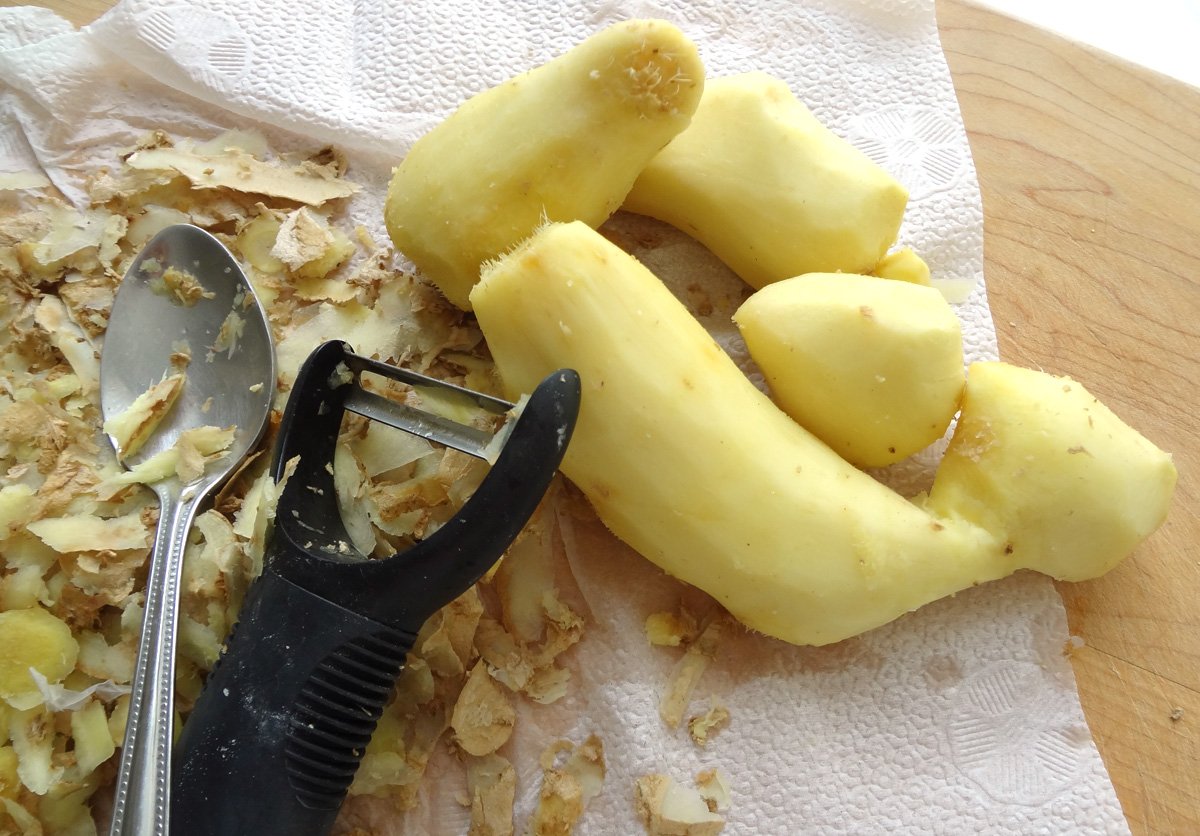
Figging is one of those practices that sits at the far edge of what many people consider “typical” sexual expression, which is exactly why it draws so much curiosity and confusion. At a basic level, figging refers to inserting a piece of peeled ginger root into the body, most commonly associated with anal play, where the natural compounds in ginger create an intense burning or tingling sensation. It’s often discussed within BDSM contexts, particularly those involving control, endurance, or sensation play.
Part of what makes figging seem “weird” to outsiders is the contrast between expectation and reality. Ginger is something most people associate with cooking or tea—comforting, even soothing. The idea that it can be used to create a sharp, almost electric physical sensation flips that familiar image on its head. That unexpected shift alone can make the practice feel strange or even shocking.
But when you look at it through the lens of human sexuality, figging is less about the object itself and more about sensation and psychology. Many fetishes center around intensifying physical awareness heat, cold, pressure, restraint and figging falls into that category. The burning sensation isn’t universally pleasurable in a traditional sense; instead, it exists in a gray area between discomfort and stimulation. For some people, that intensity can heighten arousal, especially when combined with trust, anticipation, and control dynamics.
The psychological component is just as important. Practices like figging are often tied to power exchange one person giving up control while another directs the experience. The “weirdness,” then, isn’t just about ginger; it’s about the broader idea of finding meaning or pleasure in sensations that aren’t conventionally erotic. That challenges mainstream ideas about what sex is “supposed” to feel like.
Figging has roots outside of modern kink culture. It was reportedly used as a form of corporal punishment in certain periods, particularly in naval or military settings. That history adds another layer of intensity and taboo, which can further contribute to its presence in fetish communities today. Many kinks draw from recontextualizing something once associated with punishment into something consensual and controlled.
What seems unusual is often just unfamiliar. Human sexuality is incredibly diverse, and what one person finds strange, another may experience as meaningful or even empowering. Fetishes like figging highlight how much of arousal is tied not just to the body, but to context, imagination, and personal boundaries.
That said, practices involving intense sensations always require a strong emphasis on consent, communication, and safety. The body’s reactions to substances like ginger can vary widely, and what feels stimulating to one person could be overwhelming or harmful to another. Within responsible kink communities, this is why education, trust, and aftercare are treated as essential not optional.
In the end, figging stands out not because it’s uniquely “bizarre,” but because it pushes against conventional expectations. It reveals something deeper about human desire: that pleasure isn’t always simple, and that the line between strange and meaningful is often shaped by perspective.