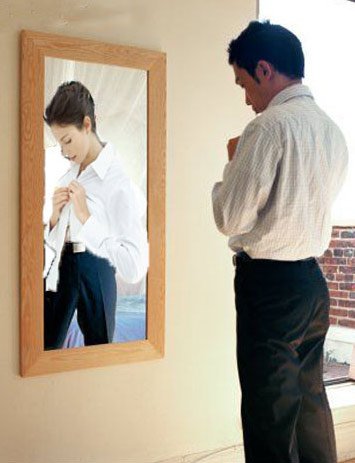
Autogynephilia is a term used to describe a type of sexual fetish or attraction where a person is sexually attracted to the idea of themselves as a woman, often through fantasies or role-playing. This can manifest in various ways, such as through cross-dressing, hormone therapy, or gender reassignment surgery.
Autogynephilia is not the same as being transgender, as it is not a desire to live as a woman or to be recognized as a woman in everyday life. Rather, it is a specific sexual preference that can be separate from one’s gender identity.
It’s important to note that autogynephilia is a controversial topic, and some people may view it as problematic or offensive. However, it is also an important area of study for those who are interested in understanding human sexuality and the complexities of sexual desire.
In terms of ethics, it’s important to approach discussions of autogynephilia with sensitivity and respect for individuals who may be exploring their own sexual desires and gender identity. It’s also important to recognize that autogynephilia is not necessarily harmful or problematic, as long as it is consensual and does not involve exploitation or harm to others.
Some common themes or activities associated with autogynephilia include:
* Cross-dressing: Wearing clothing typically worn by women, such as dresses, skirts, or high heels.
* Fantasy role-playing: Imagining oneself as a woman in a fantasy scenario, such as in a romantic relationship or in a professional setting.
* Masturbation: Engaging in self-pleasure while fantasizing about oneself as a woman.
* Transvestic fetishism: Wearing clothing typically worn by women for sexual arousal.
* Gender reassignment surgery: Some individuals with autogynephilia may undergo gender reassignment surgery to align their body with their preferred gender identity.
It’s important to remember that everyone’s experiences and desires are unique, and what may be arousing for one person may not be the same for another. It’s also important to respect the privacy and boundaries of others when exploring one’s own sexuality.