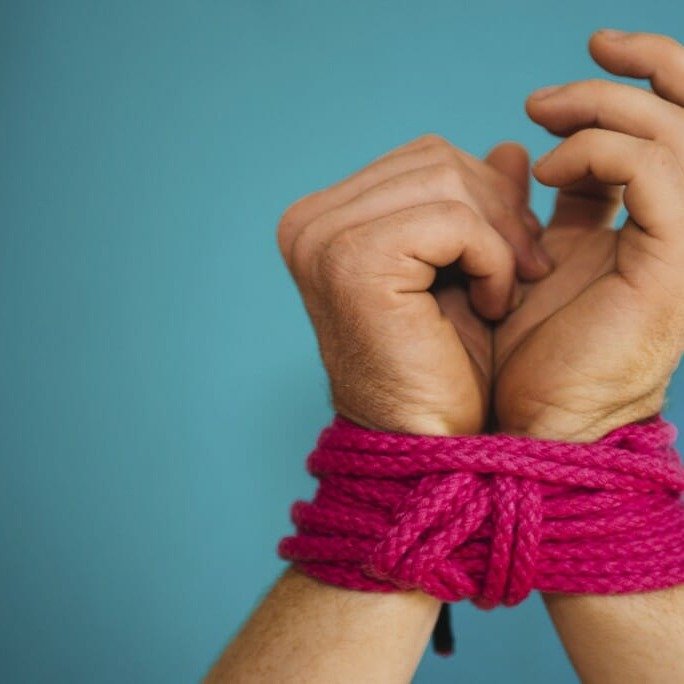
Bondage is one of the most well-known aspects of BDSM, but it’s also one of the most misunderstood. Thanks to movies and pop culture, many people assume bondage is all about ropes, handcuffs, and extreme scenarios. In reality, for most couples, bondage is less about restraint and more about trust, communication, and shared adventure.
At its heart, bondage simply means consensually restricting movement for pleasure, intimacy, or psychological excitement. It can be as simple as holding your partner’s wrists during a kiss or as intricate as decorative rope art. There is no single “right” way to explore it what matters most is that everyone involved is enthusiastic, informed, and comfortable.
One of the biggest reasons people enjoy bondage is the emotional connection it creates. For the person being restrained, surrendering control can be surprisingly relaxing, allowing them to focus entirely on sensation and trust. For the person doing the tying or restraining, caring for their partner requires attention, patience, and responsibility. The experience often strengthens communication and builds confidence between partners.
If you’re curious about trying bondage, start small. Soft cuffs designed specifically for bondage, silk scarves that can be removed quickly, or simply using your hands to gently limit movement can introduce the feeling without becoming overwhelming. Avoid improvising with items that could tighten unexpectedly or be difficult to remove.
Communication is essential before anything begins. Discuss what each person wants to try, what is off-limits, and what concerns either partner may have. Many couples choose a safe word a simple word that immediately stops the activity if someone becomes uncomfortable. Others also use a “yellow” signal to mean “slow down” and “red” to mean “stop now.”
Safety should always come before excitement. Never leave a restrained partner alone. Keep safety scissors nearby if using rope, avoid tying around the neck, and be cautious around joints and nerves. Restraints should never cut off circulation or cause numbness, tingling, or severe discomfort. Checking in regularly helps ensure both partners continue to feel safe and respected.
Bondage doesn’t have to involve expensive equipment. Many beginners start with padded cuffs, under-bed restraint systems designed with quick-release features, or beginner-friendly rope kits. If rope bondage becomes a long-term interest, it’s worth taking classes or learning from reputable educational resources before attempting more advanced ties.
One often-overlooked part of bondage is aftercare. After a scene, many people appreciate time to reconnect through conversation, cuddling, water, snacks, or simply relaxing together. Aftercare allows both partners to process the experience emotionally and physically while reinforcing the trust that made the experience enjoyable in the first place.
Bondage is not about dominance, pain, or pushing limits unless everyone involved genuinely wants those elements. Many couples enjoy gentle bondage simply because it adds anticipation, heightens focus on touch, and encourages deeper communication. Every relationship is different, and there is no pressure to progress beyond what feels enjoyable.
Ultimately, the best bondage experiences aren’t measured by how elaborate the restraints look or how advanced the techniques are. They’re built on honesty, mutual respect, enthusiastic consent, and a willingness to learn together. When approached thoughtfully, bondage can become another way for couples to build intimacy, trust, and memorable shared experiences.