In the vast and diverse spectrum of human sexuality, there are countless expressions of desire that go beyond the mainstream. While many people are familiar with common kinks and fetishes, some remain in the shadows rare, misunderstood, and often judged. One such lesser-known fetish is formicophilia.
What is Formicophilia?
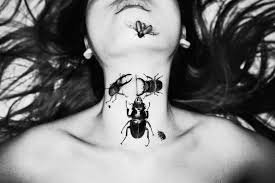
Formicophilia is a form of paraphilia in which a person derives sexual arousal from insects—specifically from having them crawl on their skin or imagining such sensations. The term comes from the Latin word formica, meaning ant, and the Greek suffix -philia, meaning love or attraction.
Most often, individuals with this fetish are aroused by the tickling sensation caused by small creatures like ants, beetles, or other insects moving across their body. This experience can be physical (through actual contact) or entirely psychological (through fantasy, dreams, or stories).
A Closer Look: Psychology Behind Formicophilia
Like many fetishes, the origin of formicophilia is deeply personal and varies from person to person. It may develop from a childhood experience, a moment of accidental arousal, or a deep-seated curiosity tied to submission, vulnerability, or the thrill of the unknown.
In some cases, it’s associated with themes like:
-
Power dynamics: Feeling overpowered or exposed by small creatures
-
Sensory stimulation: Enjoying the light, unpredictable touch of crawling insects
-
Transgression: Finding eroticism in something taboo or “forbidden” by social norms
-
Erotic anxiety: Blending fear, arousal, and curiosity
Formicophilia is not necessarily about a desire for insects themselves—it’s more about the sensation and psychological reaction they evoke.
Stigma and Secrecy
Like many unconventional fetishes, formicophilia is rarely discussed openly due to social stigma. Many people who experience it feel shame or confusion, especially in cultures where sexuality outside of the norm is judged harshly.
However, it’s important to recognize that having a fetish does not make someone deviant, dangerous, or disordered. As long as the behavior is consensual, safe, and does not harm others (or involve illegal activity such as animal cruelty), it falls under the broader umbrella of human sexual diversity.
Is It Common?
Formicophilia is considered very rare. Because of its highly specific and sometimes uncomfortable nature, few studies have been done on it. Most evidence is anecdotal, coming from online forums, kink communities, or case studies in psychology journals.
That said, rare does not mean unnatural. Human arousal is a deeply complex and often unexplainable process.
Ethical and Safe Exploration
For those who are curious about formicophilia whether academically, personally, or from a place of genuine interest it’s important to approach the subject with a focus on safety and ethics.
-
Avoid harm: If insects are used in any form, it’s crucial to ensure the practice is not cruel or abusive to animals.
-
Consent and hygiene: If involving a partner, open communication and mutual consent are essential. Proper hygiene is also critical to avoid infections or allergic reactions.
-
Fantasies vs. reality: For many, the fantasy itself is enough. Erotic stories, artwork, or roleplay can be fulfilling without any real-life insect involvement.
Formicophilia might sound strange or even off-putting to those unfamiliar with it but it’s a reminder of just how diverse human sexuality really is. Our minds are capable of associating arousal with countless sensations, images, and experiences.
Rather than judge, it’s more productive and compassionate to seek understanding. Whether you experience this fetish, are curious about it, or simply want to expand your knowledge of human desire, approaching topics like formicophilia with openness helps create a world where people can explore their sexuality without shame.