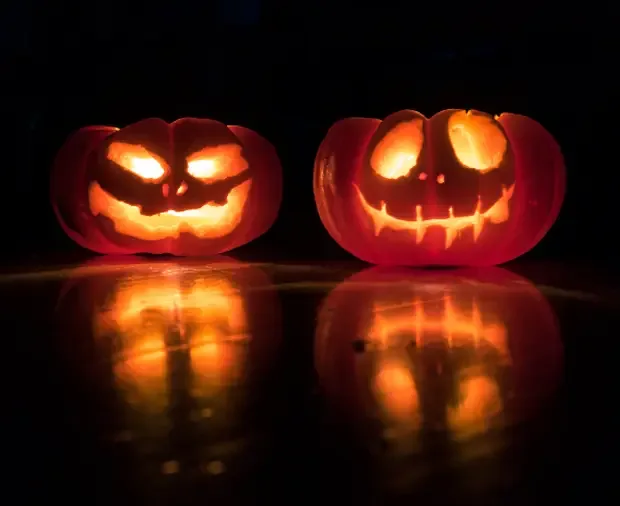
Halloween, celebrated on October 31st, is a holiday that has evolved from ancient traditions into a modern extravaganza filled with costumes, parties, and a unique cultural atmosphere. While often categorized as a time for spooky decorations and trick-or-treating, Halloween also has an interesting connection to sexuality, which manifests in various ways throughout contemporary society. This essay explores the relationship between Halloween and sexual expression, shedding light on how this holiday has become a platform for exploring and redefining sexual identities.
Historically, Halloween has its roots in the ancient Celtic festival of Samhain, a time when the veil between the living and the dead was believed to be thinnest. This festival involved rituals that acknowledged a duality between life and death, as well as the supernatural. Over centuries, these traditions amalgamated with Christian practices, evolving into the Halloween we recognize today. With these transitions came changes in social behavior, including an increasingly relaxed attitude toward themes of sex and sexuality.
Sexual Expression Through Costuming
One of the most distinct features of Halloween is the tradition of wearing costumes, which provides individuals with a unique opportunity to express themselves. As societal norms regarding sexuality have shifted, many Halloween costumes have taken on more provocative and bold themes. For example, the common phenomena of “sexy” versions of traditionally innocuous characters—like “sexy nurse” or “sexy witch”—speak to a cultural embrace of sexual expression. This trend highlights how the act of dressing up can serve as a liberating experience, allowing people to explore their identities and desires in a playful and socially accepted context.
The freedom to don suggestive costumes during Halloween contrasts sharply with the restrictions people may feel in their everyday lives. For many, Halloween acts as a safe space to push boundaries, creating an environment where the exploration of sexuality is welcomed, even celebrated. This momentary subversion of societal norms can empower individuals to embrace aspects of their identity that they may typically conceal.
Social Interaction and Sexual Encounters
The party-centric nature of Halloween also fosters social interaction, often leading to heightened romantic and sexual encounters. The charged atmosphere of Halloween parties, combined with the costumes that invite flirting and playfulness, can lead to an increase in dating and casual sexual encounters. The anonymity provided by masks and disguises removes inhibitions for some, enabling them to engage in flirtation and connection more freely than they might outside of this context.
Moreover, the traditional grouping of Halloween celebrations—such as community events, campus parties, and themed gatherings—encourages mingling and interaction among diverse groups. The emphasis on fun and escapism can lower barriers, allowing for organic connections that may lead to romantic or sexual pursuits. In this context, Halloween can be seen as a night when social scripts are temporarily rewritten, facilitating connections based on shared excitement and festive energy.
Reclamation of Sexual Autonomy
Halloween also serves as a cultural moment for the reclamation of sexual autonomy and expression. In a society where discussions surrounding consent, body positivity, and sexual freedom have become increasingly important, Halloween can be viewed as an opportunity to promote these values in a more visible way. Events that encourage respectful interactions, such as consent-themed parties or initiatives advocating for body positivity, highlight a movement towards healthier attitudes surrounding sex and sexuality.
Furthermore, the rise of LGBTQ+ visibility during Halloween through pride-themed costumes and celebrations reinforces the notion of acceptance and celebration of diverse sexual identities. Many use Halloween as an opportunity to express their authentic selves in a way that is often embraced by friends and communities. The intersection of Halloween and sexuality can thus serve as a platform for advocacy and visibility, reinforcing the idea that all identities deserve recognition and celebration.
Halloween is more than just a night of fright and mischief; it is a multifaceted holiday that intertwines with themes of sexual expression and exploration. From the revelatory act of wearing costumes to the social interactions it fosters, Halloween creates a space where traditional norms may be challenged, and new forms of identity can emerge. As society continues to evolve, the ways in which we celebrate Halloween may change, but its connection to sexuality will likely remain a vibrant and significant aspect of its cultural fabric.