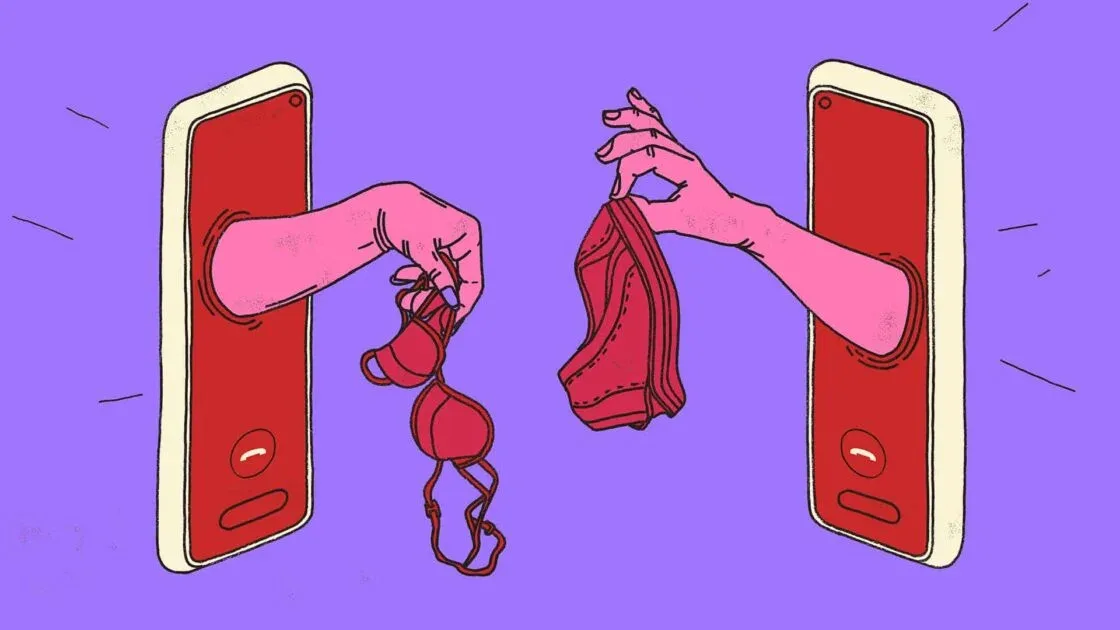
Whether sexting is considered cheating ultimately depends on individual perspectives and definitions of infidelity. However, here are some points to consider:
**Arguments for sexting being cheating:**
1. **Intimacy and emotional connection**: Sexting can create an emotional intimacy with someone other than your partner, which can blur the boundaries of your relationship.
2. **Physical intimacy**: Sexting often involves explicit or sexual content, which can lead to feelings of physical closeness and connection with someone else.
3. **Lying or deception**: If someone is sexting without their partner’s knowledge or consent, it can be considered a form of lying or deception, which can damage trust in the relationship.
4. **Commitment to the relationship**: Sexting can be seen as a breach of commitment to one’s partner, as it involves engaging in a sexual or intimate activity with someone else.
**Arguments for sexting not being cheating:**
1. **Digital context**: Sexting is a digital activity, and it may not necessarily involve physical contact or intimacy.
2. **Consent**: If both partners are aware of and consent to sexting, it can be seen as a consensual activity within the boundaries of the relationship.
3. **Communication**: Sexting can be a way to maintain communication and intimacy in a long-distance relationship or when physical closeness is not possible.
4. **Individual differences**: People may have different definitions of infidelity and what constitutes cheating in their relationship.
**Ultimately, it’s up to each individual to decide**:
If you’re unsure about whether sexting is cheating in your relationship, consider the following:
1. Have an open and honest conversation with your partner about your feelings and boundaries.
2. Reflect on your own values and definitions of infidelity.
3. Consider the motivations behind your sexting (e.g., boredom, loneliness, or emotional connection).
4. Be aware of potential consequences (e.g., damage to trust, feelings of jealousy).
Remember that relationships are unique, and what may be considered cheating for one person may not be for another. It’s essential to prioritize communication, respect, and trust in your relationship to navigate these complex issues.