When people hear the word fetish,their minds often jump to the most shocking or extreme examples imaginable. But human attraction is far stranger, more emotional, and more psychologically layered than most people realize. Fetishes can revolve around power, personality, clothing, behavior, sounds, emotions, fantasies, or even oddly specific situations. They are often less about the physical act itself and more about the feeling attached to it excitement, surrender, rebellion, comfort, danger, vulnerability, attention, or emotional intensity.
And despite how often tattoos are associated with sexual attraction in pop culture, countless fetishes exist that have absolutely nothing to do with body ink. Some are playful, some deeply psychological, some surprisingly common, and others so oddly specific they almost sound fictional. Yet together they reveal one undeniable truth: attraction is wildly personal.
One of the most common categories involves dominance and submission dynamics. For many people, attraction centers around control rather than appearance. Some enjoy taking charge, giving instructions, teasing, or leading emotionally and physically. Others are drawn to surrendering control completely and feeling desired, overwhelmed, or psychologically “handled” by a confident partner. In many cases, the excitement comes from trust, anticipation, and emotional intensity more than anything visual.
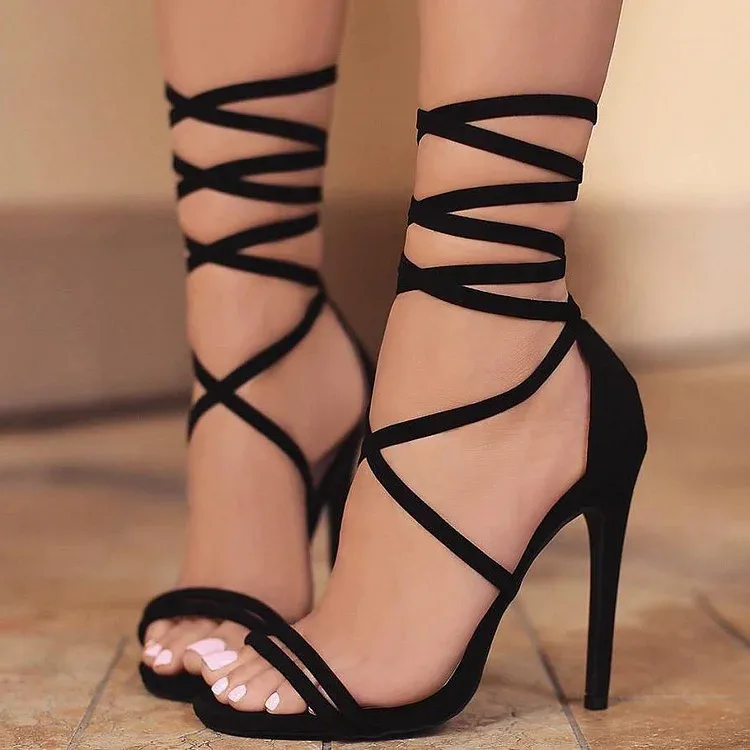
Another huge category revolves around clothing and presentation. High heels, glasses, uniforms, stockings, leather jackets, lingerie, business attire, oversized sweaters, silk pajamas almost any style imaginable has become part of someone’s fantasy somewhere. Often these fetishes are tied to symbolism. A uniform can represent authority. Glasses may symbolize intelligence. Leather can suggest rebellion or confidence. Attraction is rarely just about the object itself; it is about the personality or fantasy the object creates.
Voice attraction is another surprisingly powerful fetish. Some people become intensely drawn to deep voices, accents, whispering, dirty talk, praise, teasing, or commanding speech. Entire online communities revolve around voice-based attraction because tone and vocal confidence can create emotional reactions stronger than physical appearance alone. A single sentence delivered the right way can become unforgettable.
Then there are psychological fetishes tied to attention and validation. Praise kinks, for example, involve intense excitement from approval, encouragement, compliments, or being emotionally rewarded. On the opposite side, some people are attracted to teasing, humiliation, sarcasm, or playful verbal conflict. These dynamics often sound strange from the outside, but psychologically they connect to vulnerability, emotional release, and trust.
Sensory fetishes are also incredibly common. Some people are fascinated by textures like silk, latex, velvet, fur, or soft blankets. Others focus on scent, temperature, hair pulling, massages, candle wax play, or blindfolds. In these situations, the brain becomes hyper-focused on physical sensation and anticipation. Sometimes the thrill comes from removing one sense and heightening another.
Food and feeding fetishes exist too, though they vary widely in intensity. Some people enjoy playful sensuality involving whipped cream, chocolate, fruit, or feeding a partner by hand because it creates intimacy and indulgence. Others are more fascinated by the emotional aspect of nurturing and care connected to eating together.
Certain fetishes revolve around personality types rather than physical features. Confidence itself can be fetishized. So can shyness, awkwardness, intelligence, emotional coldness, kindness, arrogance, protectiveness, or rebellion. Some people become obsessed with the “forbidden” feeling of a person who seems emotionally unavailable, while others crave warmth and emotional safety above all else.
Roleplay fantasies are another massive category because they allow people to temporarily escape everyday identity. Fantasy scenarios involving strangers, rivals, authority figures, heroes, villains, or dramatic tension often have little to do with literal realism. They are psychological theater a way for people to safely explore emotions, excitement, or power dynamics that ordinary life suppresses.
One of the most fascinating things about fetishes is how often they develop from memory and emotional association. Something seemingly random can become attractive simply because the brain connected it to excitement, curiosity, adrenaline, affection, or mystery at a formative moment in life. That is why human attraction can become incredibly specific and deeply personal.
And despite the stereotypes, most fetishes are far less about shock value than outsiders assume. Many are rooted in intimacy, emotional release, fantasy, trust, escapism, or the desire to feel deeply seen and understood. What one person finds strange, another person experiences as emotionally meaningful or intensely exciting.
At the end of the day, sexuality is not nearly as simple as people pretend it is. Human desire is imaginative, emotional, symbolic, and sometimes wonderfully weird. Fetishes that have nothing to do with tattoos prove that attraction can grow out of almost anything a voice, a personality, a feeling, a fantasy, a piece of clothing, or even the emotional energy between two people. And honestly, that complexity is part of what makes human sexuality so endlessly fascinating.