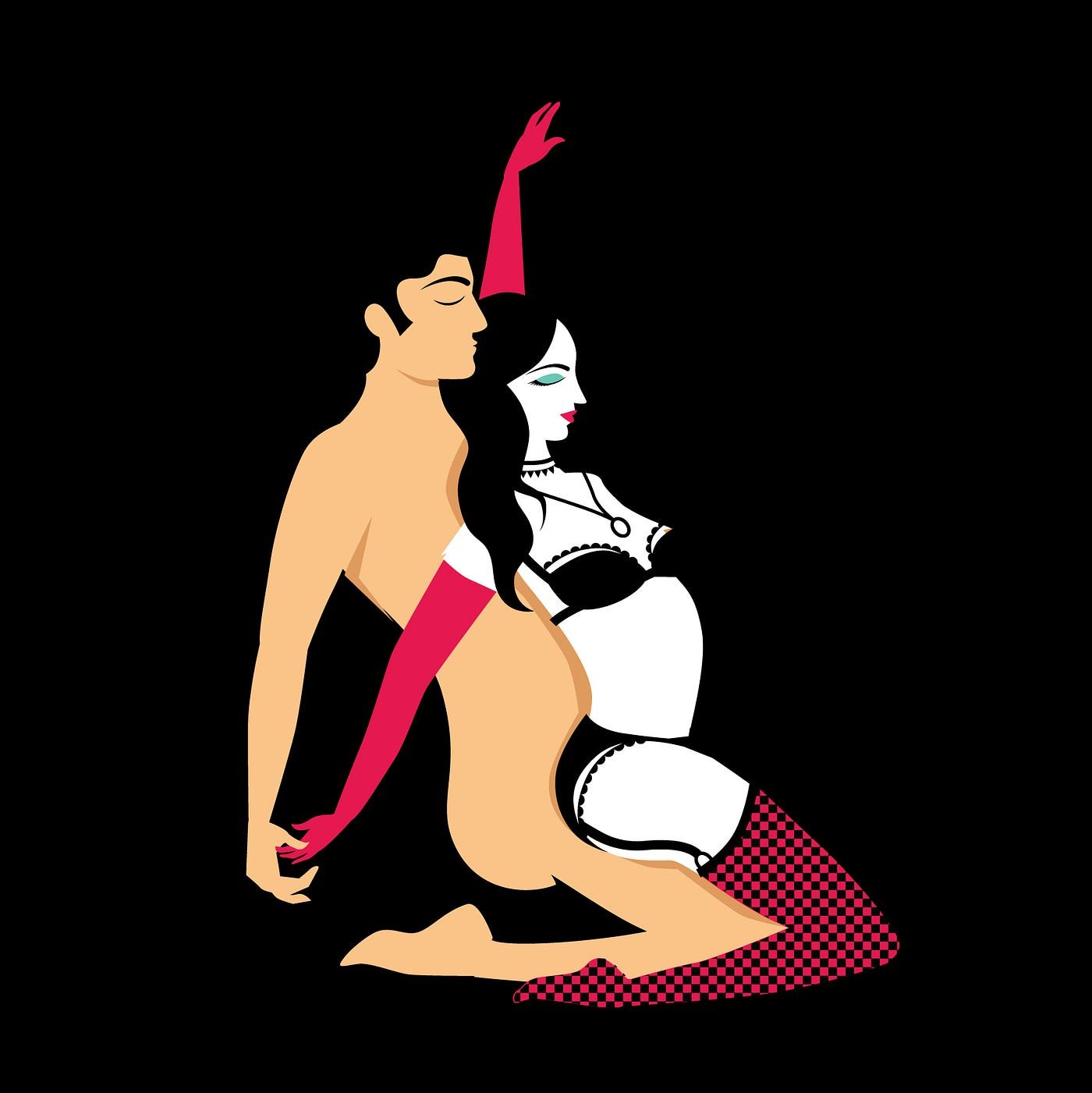
The Kama Sutra is an ancient Indian text that is often associated with advice on sexual positions, but it is actually a much broader work that encompasses various aspects of human life, including relationships, social norms, and spirituality. Here’s an essay that provides an overview of the Kama Sutra:
**Title: The Kama Sutra: Beyond the Myths, Embracing Life’s Dimensions**
The Kama Sutra is a revered ancient Indian text that transcends its reputation for being solely about sexual positions. Believed to have been written by the sage Vatsyayana, the Kama Sutra is a guide to living a fulfilling life in all its dimensions – from love and relationships to social conduct and spiritual awakening.
At its core, the Kama Sutra consists of seven books, each dealing with different aspects of life. While the sexual aspect is present, it constitutes only one part of this comprehensive manual. The broader themes explored in the Kama Sutra include love, desire, family life, social interactions, and the pursuit of a well-rounded existence.
**1. The Foundation of the Kama Sutra: Understanding Human Nature**
The Kama Sutra acknowledges that human nature involves both physical and emotional desires. It advocates for a balanced approach to life, emphasizing the importance of understanding and embracing these desires while maintaining harmony with societal norms and spiritual well-being.
**2. The Pursuit of Love and Relationships**
The Kama Sutra provides guidance on courtship, marriage, and maintaining healthy relationships. It encourages mutual respect, communication, and understanding between partners, recognizing that love extends beyond mere physical attraction.
**3. Sexual Desire and Pleasure**
While it does discuss various sexual positions and techniques, the Kama Sutra emphasizes the significance of consent, communication, and exploring pleasure together. It aims to enhance intimacy and connection between partners.
**4. Social Conduct and Etiquette**
Beyond the realm of personal relationships, the Kama Sutra provides insights into social behavior and etiquette. It offers advice on manners, dress, and how to navigate different social situations with grace and dignity.
**5. Aesthetic Pursuits**
The Kama Sutra acknowledges the importance of aesthetics in life, advocating for an appreciation of art, beauty, and creativity. This includes the arts of music, dance, and conversation.
**6. Finding Fulfillment and Happiness**
The Kama Sutra recognizes that true happiness is not solely derived from physical pleasures. It emphasizes the pursuit of self-improvement, spiritual growth, and a connection to something greater than oneself.
**7. Transcending the Physical**
Ultimately, the Kama Sutra aims to guide individuals towards spiritual enlightenment. It suggests that by understanding and mastering the physical and emotional aspects of life, one can progress on the path of self-realization.
In conclusion, the Kama Sutra is a multidimensional text that goes beyond its popularized reputation as a manual for sexual positions. It provides insights into human nature, relationships, social conduct, and the pursuit of a holistic and fulfilling life. By embracing its teachings, individuals can aspire to live a life enriched with love, respect, communication, and personal growth.