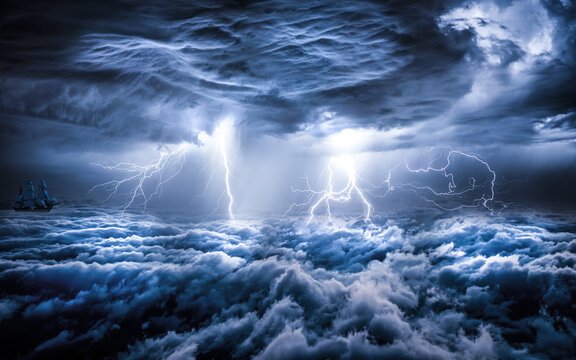
Fetishes are complex and diverse expressions of human sexuality. From common interests to niche desires, they encompass a broad range of preferences that go beyond conventional sexual stimuli. One such fetish, though relatively rare and less discussed, is brontophilia, the sexual attraction to thunderstorms or large, dramatic weather events. Brontophilia reflects a deep connection between an individual’s sexuality and the raw, chaotic power of thunderstorms.
For brontophilia, the root cause may lie in early experiences with thunderstorms that were either pleasurable or intense enough to form lasting associations. The combination of awe, fear, and fascination that many people experience when witnessing thunderstorms could be a powerful psychological trigger. This storm-related arousal might be further amplified by the intense sensory experience of thunder, lightning, and wind—elements that elicit both fear and excitement.
Psychologically, individuals with brontophilia might be drawn to the unpredictable, intense, and dramatic qualities of a thunderstorm, mirroring how some fetishes are tied to a person’s desire for excitement or an emotional high. The storm’s ability to overwhelm the senses could become an alluring factor in the fetish’s development, making the experience of arousal tied to natural phenomena rather than traditional sexual stimuli.
The Sensory Experience and Emotional Appeal of Thunderstorms
Brontophilia is often closely tied to the sensory experience of thunderstorms. For those who are attracted to storms, the sounds of thunder, the flashes of lightning, and even the smell of rain can create an immersive, exhilarating environment. The auditory power of thunder, the dramatic visual impact of lightning, and the scent of the rain-soaked earth evoke strong emotional responses that transcend simple appreciation for nature’s beauty.
There is a psychological concept known as sensory overload, where overwhelming sensory stimuli such as loud sounds or intense lights can create a heightened emotional or even erotic state. For brontophiles, a thunderstorm’s loud thunderclaps may mirror sensations of sexual release, while the blinding flashes of lightning can become metaphors for the peak of desire or the chaotic, unpredictable nature of passion.
Additionally, thunderstorms often create a sense of isolation, with individuals confined to their homes as nature rages outside. This sense of intimacy, amplified by the storm’s power, can trigger a feeling of safety, vulnerability, and excitement simultaneously. Such emotional states might combine with a sense of heightened awareness or even arousal, making the storm an ideal backdrop for sexual fantasies or experiences.
The Role of Fear and Danger in Brontophilia
An interesting aspect of brontophilia is its intersection with fear. Thunderstorms, by their very nature, can be intimidating, evoking feelings of powerlessness or vulnerability. The rumble of thunder and the flash of lightning may trigger the fight-or-flight response, an instinctual reaction to perceived danger. However, for some individuals with brontophilia, this fear may be paired with an exciting form of arousal.
This phenomenon can be explained through the concept of relational arousal, where sexual attraction is linked to emotional states such as fear, tension, or even discomfort. The juxtaposition of fear and pleasure is central to many fetishes and sexual desires. Just as some individuals are attracted to themes of dominance and submission, the power dynamics inherent in a storm the violent, uncontrollable force of nature versus the human’s smallness and vulnerability may serve as an arousing metaphor for submission or surrender. For some, the storm becomes a symbol of power or even a dominant force to be “conquered” or “experienced” with full surrender.
In various cultures, thunder has been associated with divine or supernatural forces, making it a symbol of creation, destruction, and the unleashing of primal energy. Such cultural representations can help to explain the appeal of storms as a metaphor for intense, uncontrollable passion. For those with brontophilia, these mythological associations might shape their sexual fantasies, combining the awe-inspiring qualities of the storm with a deeper, more primal longing.
Brontophilia is a fascinating example of how deeply personal and complex human sexual preferences can be. It highlights the powerful connection between natural phenomena and human emotions, demonstrating how a thunderstorm’s sensory and emotional impact can become a source of sexual arousal. Through a mix of psychological triggers, sensory overload, cultural interpretations, and the interplay of fear and pleasure, brontophilia illustrates the diverse ways in which fetishes can form and evolve.
While brontophilia may seem unusual to some, it is a reminder that sexual desire is multifaceted, shaped by unique experiences and emotional landscapes. As with all fetishes, understanding the roots and expressions of such desires is essential in recognizing the diversity of human sexuality, and how it continues to evolve in response to personal experiences and societal contexts.