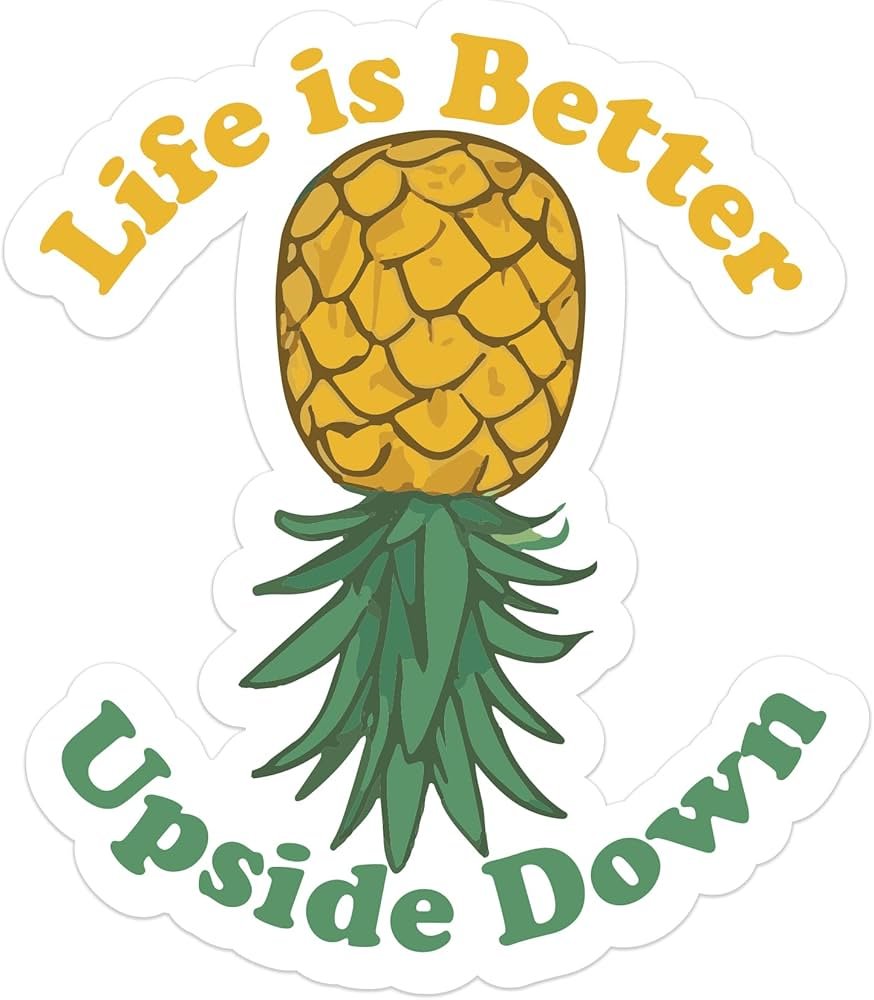
If you’ve ever wandered through a grocery store, scrolled social media, or taken a cruise vacation and heard people laughing about an upside-down pineapple, you may have wondered what all the fuss is about. After all, it’s just a fruit turned the wrong way… right?
Not exactly.
Over the years, the upside-down pineapple has become one of the most recognizable symbols associated with the swinging lifestyle. While many people discover this fact through internet jokes and viral videos, the symbol has developed a reputation as a subtle way for like-minded adults to identify one another.
The exact origin of the upside-down pineapple is somewhat mysterious. Some stories suggest it began in vacation communities and cruise culture, where people would display an inverted pineapple on doors, clothing, or personal items as a discreet signal. Others believe it evolved naturally because pineapples have long been symbols of hospitality and welcome. At some point, flipping the pineapple upside down gave that traditional symbol an entirely new meaning.
Today, the upside-down pineapple has become part of popular culture. It appears on T-shirts, beach towels, jewelry, and social media memes. Many people recognize it instantly, while others unknowingly purchase pineapple-themed items and later discover they’ve accidentally sent a message they never intended.
This has led to countless humorous stories. Someone decorates their kitchen with pineapple artwork only to have friends raise their eyebrows. A vacationer buys a pineapple-patterned shirt and suddenly receives unexpected attention. An innocent home décor choice becomes the source of endless jokes once the hidden meaning is revealed.
Of course, it’s important to remember that symbols can mean different things to different people. Not every pineapple is a secret signal. Most people who own pineapple decorations simply enjoy tropical themes, beach vibes, or colorful fruit designs. Context matters, and assumptions can often lead to funny misunderstandings.
The fascination with the upside-down pineapple also reflects society’s love of secret codes and hidden meanings. Humans have always enjoyed symbols that allow groups to communicate subtly. Whether it’s a club emblem, a lucky charm, or a lifestyle identifier, people are naturally curious about signs that seem to have an insider meaning.
In many ways, the upside-down pineapple has become less about secrecy and more about internet folklore. It has evolved from a niche symbol into a cultural joke that even people completely unfamiliar with the swinging lifestyle may recognize. The symbol’s popularity has created an odd situation where a simple fruit can spark conversations, confusion, and laughter all at once.
So the next time you spot an upside-down pineapple on a cruise ship door, a beach bag, or a social media post, you’ll understand why some people chuckle. It’s proof that sometimes the most ordinary objects can develop the most unexpected reputations.
And for one tropical fruit, that’s quite an accomplishment.