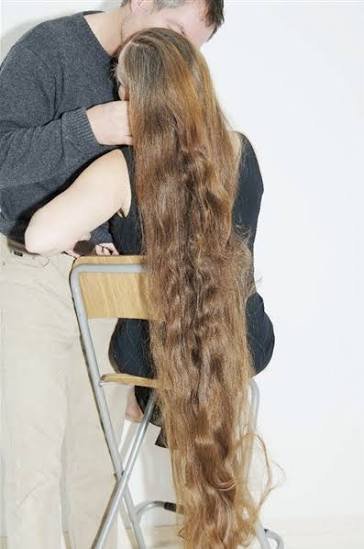
Trichophilia is a term used to describe a sexual or emotional attraction to hair. This attraction can focus on head hair, body hair, facial hair, or specific styles, textures, or grooming rituals. Like many fetishes, trichophilia exists on a spectrum from mild preference to strong fixation.
At its core, trichophilia is less about hair itself and more about what hair symbolizes: intimacy, identity, sensuality, power, care, or personal expression.
What Trichophilia Can Look Like
Trichophilia does not look the same for everyone. For some, it may involve:
~Attraction to long hair, short hair, or specific hairstyles
~Sensitivity to hair texture, movement, or scent
~Interest in hair grooming rituals (brushing, styling, washing)
~Emotional comfort or arousal connected to hair-related closeness
For many people, the attraction is subtle and integrated into overall desire, not separate from it.
Why Hair Can Be So Powerful
Psychologically, hair holds strong symbolic meaning:
~It’s tied to identity and self-expression
~It can signal health, vitality, youth, or maturity
~Touching hair often feels intimate and trusting
~Hair is one of the first things people notice visually
Because of this, hair can become linked to attraction early in life through memory, emotion, or repeated positive association.
Is Trichophilia Common?
While not always discussed openly, hair-focused attraction is more common than people realize. Many people have preferences related to hair without labeling it as a fetish. Trichophilia only becomes a clinical term when the attraction is strong, specific, or central to arousal.
Trichophilia vs. Hair Pulling Disorders
It’s important not to confuse trichophilia with trichotillomania, a condition involving compulsive hair pulling. The two are unrelated. Trichophilia is about attraction or interest; trichotillomania is a behavioral disorder.
The Bottom Line
Trichophilia is a variation of human attraction rooted in symbolism, sensation, and emotional association. It’s far more common and far less strange than the stigma around fetishes suggests.
Attraction is personal. When preferences are understood rather than judged, they become part of healthy self-awareness rather than something hidden or feared.