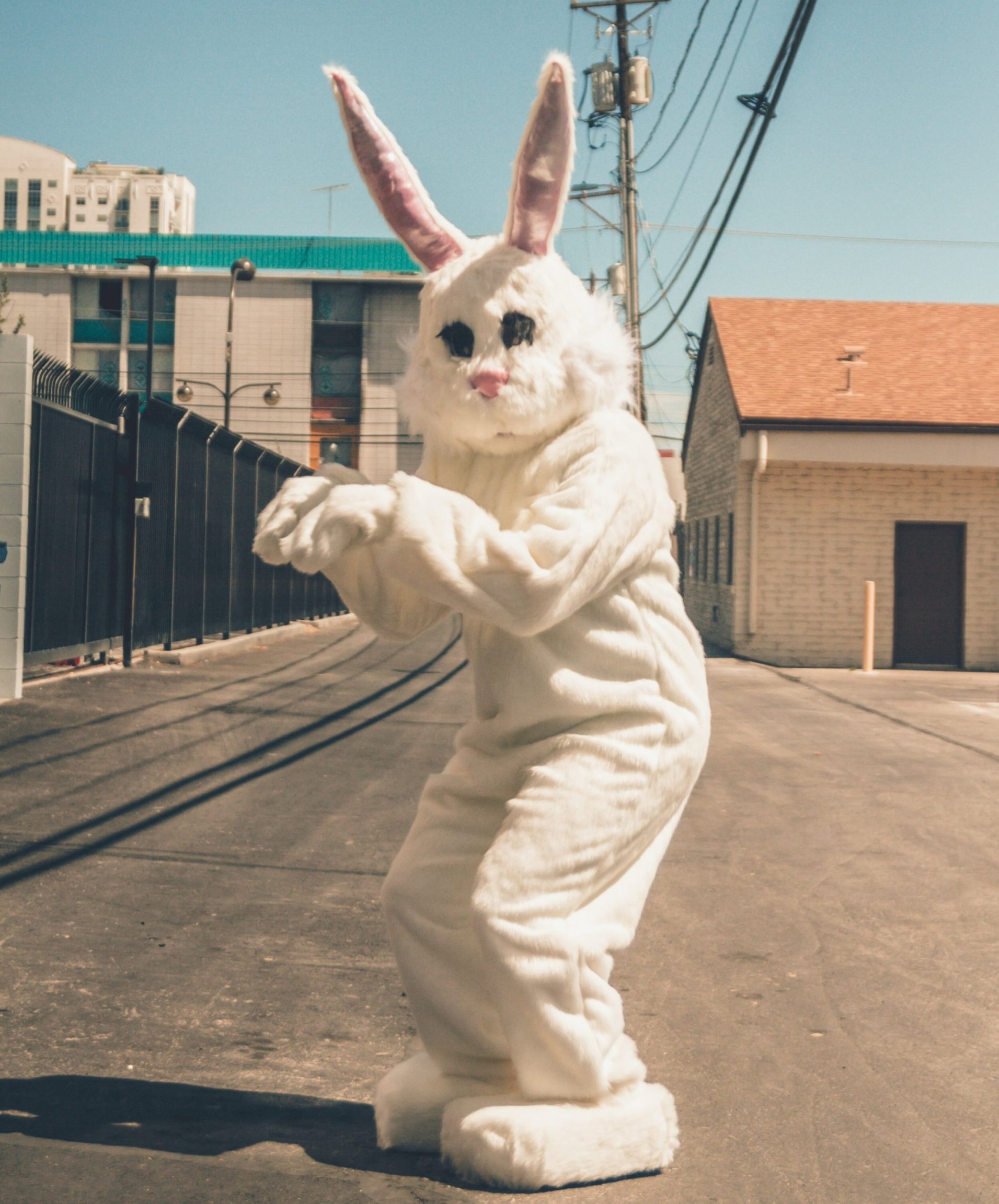
In the expansive landscape of human sexuality, there exists a diverse array of orientations that encompass not only conventional attractions but also unique and sometimes misunderstood preferences. One such orientation is autoplushophilia, a term that refers to the sexual attraction to plush toys or soft, stuffed animals. This phenomenon can be examined through various lenses—psychological, cultural, and social—to explore its implications and the experiences of those who identify with it.
At its core, autoplushophilia combines elements of attraction, affinity, and comfort associated with plush toys. Individuals who identify with this orientation often find pleasure, comfort, or arousal from interactions with these soft items. The nature of this attraction can be multifaceted, involving emotional connections, nostalgia, or even a sense of security. For many, plush toys may evoke feelings of childhood innocence, warmth, and safety, serving as symbols of love and comfort amidst a world that can often feel intimidating and alienating.
The psychological dimensions of autoplushophilia merit exploration. Human beings often form attachments to objects that provide emotional solace. For those who experience autoplushophilia, the appeal of plush toys might stem from a desire for companionship and affection that they perceive to be uninhibited by the complexities of human relationships. The soft texture and comforting presence of plush toys can create a sanctuary of intimacy, allowing individuals to find solace in an object that offers unconditional support without fear of judgment or rejection.
Moreover, a psychological perspective may also consider the impact of personal experiences and developmental history. Traumas, attachment styles, and individual life circumstances contribute to the way people relate to various objects and experiences. For some, the allure of plush toys may serve as a means to navigate unresolved emotional needs or desires that arise from childhood, while for others, it may simply represent a whimsical or innocent form of pleasure.
Cultural factors also play a significant role in shaping our understanding of autoplushophilia. Societal norms often dictate what is considered acceptable or normative in terms of attraction. In many cultures, sexual attraction to objects, such as plush toys, might be met with skepticism or ridicule, leading individuals to conceal their preferences. The stigmatization of such attractions can contribute to feelings of isolation or guilt, causing individuals to grapple with their identity in contexts that do not readily accept alternative forms of love and attraction.
Yet within certain subcultures, particularly those within fandom communities or online spaces, plush toys can be celebrated and embraced. This acceptance fosters an environment where individuals can explore their attractions without fear of ostracism. Online forums and social media groups have emerged as safe spaces for those identifying with autoplushophilia, allowing for the sharing of experiences, artwork, and discussions that foster understanding and community.
As with any sexual orientation, it is crucial to approach autoplushophilia with sensitivity and respect. Understanding does not imply endorsement, but rather an acknowledgment of the complexity of human sexuality. Ethical considerations must be taken into account, particularly regarding consent and the nature of one’s relationships with inanimate objects. While plush toys cannot consent in the way humans can, the emotional and psychological connections that individuals form with them deserve acknowledgment as valid expressions of affinity or attraction.
On a broader social scale, it is essential to recognize that sexual orientations that deviate from the conventional spectrum can contribute to the richness and diversity of human experiences. Embracing this diversity involves challenging societal norms that often dictate acceptable forms of love and attraction. The journey toward acceptance requires fostering dialogue and education to mitigate stigma and promote understanding.
Autoplushophilia is a complex orientation that highlights the diversity of human desires and attachments. By exploring the psychological, cultural, and ethical dimensions of this phenomenon, we can begin to appreciate the multifaceted nature of attraction and the ways individuals navigate their identities. As society gradually moves toward a more inclusive understanding of sexuality, it is essential to recognize and respect the unique expressions of love and attraction that exist, including those found in the realm of plush toys. Through dialogue and education, we can create a more compassionate world that embraces the beautiful intricacies of human experiences.