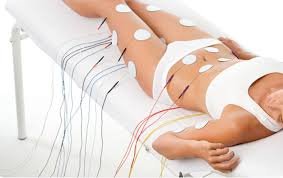
Electrostimulation, often associated with various forms of consensual BDSM (Bondage, Discipline, Dominance, Submission, Sadism, and Masochism), is a practice that utilizes electrical devices to stimulate nerves and muscles, creating sensations that can provoke arousal and heightened sensual experiences. The reasons why some individuals find themselves attracted to electrostimulation are multifaceted, encompassing psychological, physiological, and social dimensions. This essay aims to explore these factors, shedding light on the intricate relationship between human sexuality, kink, and the diverse array of stimuli that can evoke pleasure.
1. Psychological Dimensions
One of the most compelling reasons individuals are turned on by electrostimulation relates to the psychological thrill associated with engaging in unconventional sexual practices. For many, the allure lies in the element of risk—a key component of BDSM culture—which may trigger the brain’s reward pathways. The act of consenting to an experience that involves an unusual form of sensation can create a sense of heightened awareness and excitement.
Moreover, electrostimulation can evoke a range of feelings—from excitement to vulnerability. For some, submission to the control exerted by a partner administering the stimulation can lead to a profound emotional release. This dynamic can foster trust and intimacy, making the experience more pleasurable. On the flip side, for the dominant partner, administering electrostimulation can be an expression of power and control—factors that can also be arousing.
2. Physiological Responses
From a physiological perspective, electrostimulation can trigger intense physical sensations that may differ from traditional methods of sexual arousal. The application of electrical impulses can stimulate nerve endings, leading to unique sensations that range from mild tingling to more intense sensations of pleasure or pain. These diverse reactions can make electrostimulation appealing, as it offers a different kind of sensory experience compared to more conventional forms of sexual stimulation.
Additionally, electrostimulation can facilitate the release of endorphins—neurotransmitters associated with pleasure and pain relief. This biochemical response can enhance the pleasurable aspects of the experience, creating a euphoric feeling that may be intoxicating for some. The unique blend of pleasure and pain, characteristic of many BDSM activities, can increase arousal and heighten the overall sexual experience.
3. Social and Cultural Contexts
The social and cultural contexts in which individuals engage with electrostimulation also play a crucial role in this attraction. In many contemporary societies, there is an expanding acceptance of alternative sexual practices and kink communities. This normalization can embolden individuals to explore their desires without fear of judgment or stigma. Participation in subcultures that celebrate BDSM and kink can create a sense of belonging and community, further enhancing the appeal of practices like electrostimulation.
Furthermore, the advent of technology in intimate spaces has led to the development of high-tech devices specifically designed for erotic electrostimulation. The accessibility and variety of these products mean that individuals can explore electrostimulation in safe, controlled environments, whether alone or with a partner. This increased availability has allowed more people to experiment and discover what appeals to them sexually.
The attraction to electrostimulation is a complex interplay of psychological, physiological, and cultural factors. The thrill of risk, the unique sensory experiences, and the broader social acceptance of kink contribute to its allure for many individuals. As human sexuality continues to evolve, the exploration of practices like electrostimulation exemplifies the diverse ways in which individuals seek to understand and enjoy their bodies and desires. Ultimately, it reflects the richness of human sexual expression and the endless possibilities for pleasure that exist within consensual frameworks.