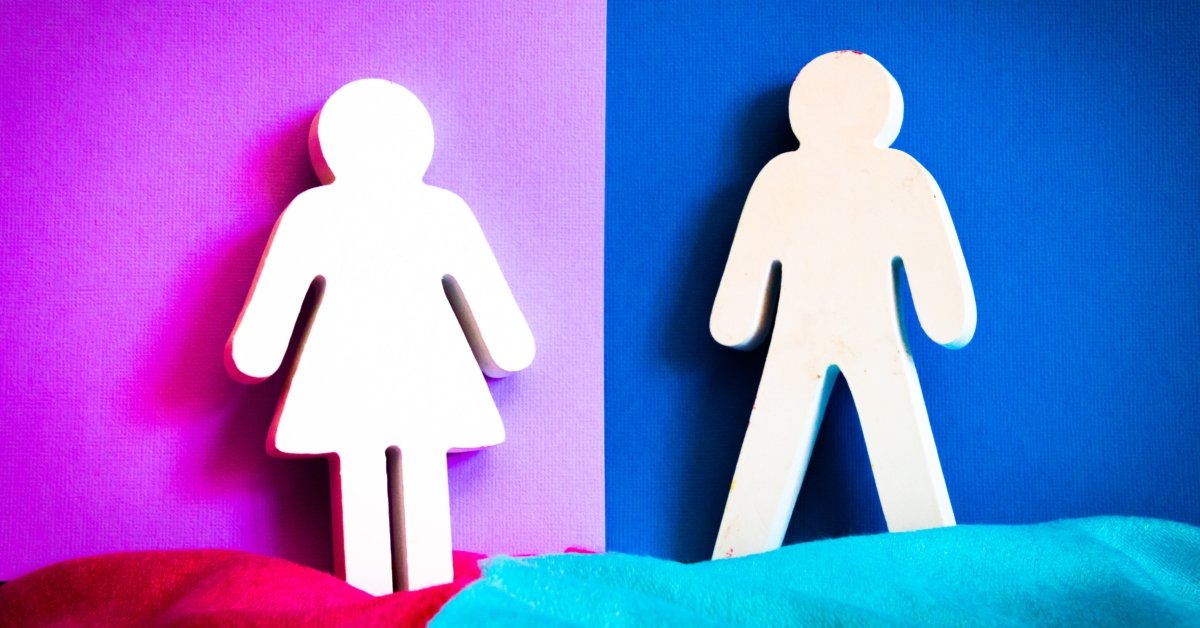
It’s pride month, so you may be hearing the term “heteronormative” frequently. It is used to describe a culture or belief system which assumes that heterosexuality is the norm. Heteronormativity can take a number of forms, and it is often very subtle and pervasive. Many societies have a binary view of gender which divides people up as either male or female. Many such societies also have specific ideas about gender roles and what sort of activities are appropriate for each gender. In a society with heteronormative values, all people are assumed to be heterosexual.
Heteronormativity also has a profound impact on gender identity. Intersexuals, transsexuals, genderqueers, and other people who explore different aspects of gender may find it difficult to navigate in society. People may also struggle with things like which pronouns to use, and how to respond to curious people.
For people who do not identify as heterosexual, such as gays, lesbians, asexuals, and bisexuals, it can be frustrating to live in a heteronormative society because assumptions are constantly being made about human sexuality in such societies. Even people who do identify as heterosexual can find themselves marginalized if their sexual practices deviate from the accepted “normal.” People who are not heterosexual may also be the victims of prejudice, and sometimes they are deliberately targeted with laws aimed to suppress their sexuality.
The best ways to combat toxic heteronormative behavior is to reject traditional ideas about gender and gender rolls. Rather than assuming that heterosexuality is universal, people can operate under the assumption that there are a range of sexual identities and orientations, none more “normal” than the other. Psychologists, anthropologists, and sociologists are all interested in heteronormativity and how it influences the people and cultures they study.