Yesterday the New York Post published an article by Catey Hill “Nobody is having sex during the week.” In the article numerous studies where consulted that all showed that almost no one is having sex during the week. This got us wondering- With all of the proven health and emotional benefits of sex, what happens when we stop having sex? If you were wondering too, here is what science has to say about becoming celibate.
Kiss your Libido Goodbye
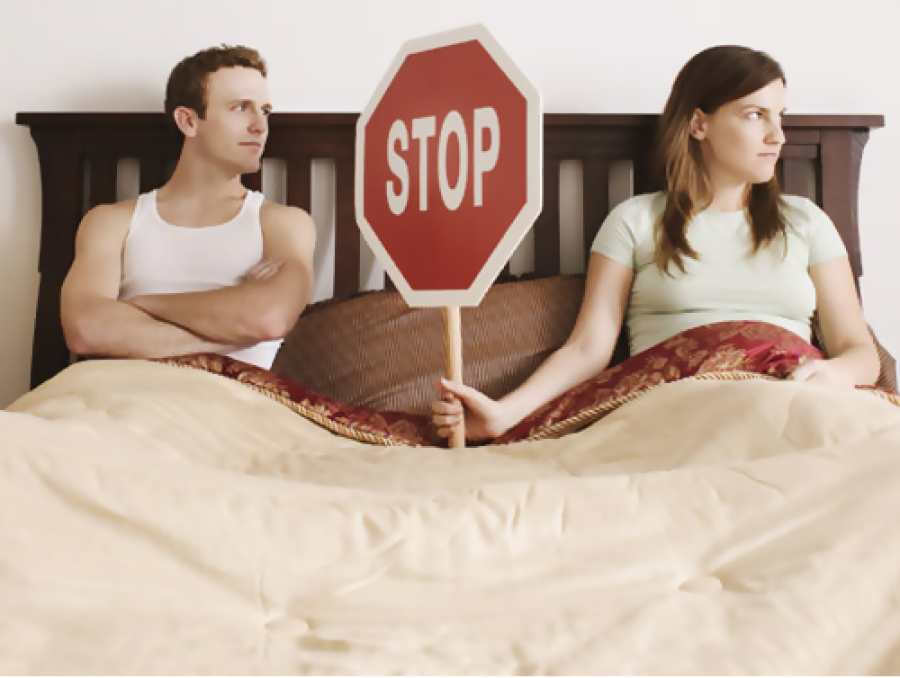
The more you indulge your libido the more it increases. The same is true of the reverse. If you don’t use it, you lose it. However in some cases, if your dry spell is not by choice, or if it is a form of foreplay with your partner where you force each other to wait, you can actually cause a stronger desire for sex. Abstaining from sex by choice tends to cause sex to become more desirable.
Loss of Lubrication

Along with your libido your natural lubrication may also take a nose dive. If you return to intercourse after your sabbatical you may notice a significant drop in your body’s lubrication production. This is due to a lack of the estrogen hormone.
Weakening Walls
This is especially true of older women, if you refrain from intercourse your vaginal walls may thin and weaken. As a result once you do return to internal sex the experience may be painful. To prevent this women are encouraged to maintain a healthy sex life as they enter into menopause since this can help maintain vaginal health.
Period Pain

If you are nowhere near menopause don’t think you’re going to get off easy. Orgasms are a form of uterine contractions. These contractions cause blood to expel quicker. So not getting any can actually make your cramping worse.
We’re not sure why anyone would want to stop having sex in the first place, but if you’ve been considering giving up getting some, but at least now you know the consequences of such a choice. There is an upside, since sex increases the spread of bacteria, not having sex does lower your risk of a UTI.