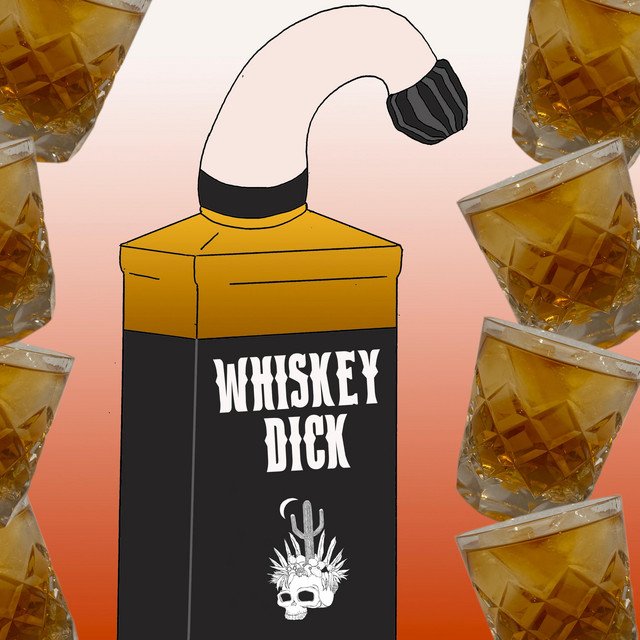
Most people have heard the phrase “whiskey dick” in jokes, movies, or casual conversations. While the term is humorous slang, it refers to a very real situation: temporary erectile dysfunction that can happen after drinking too much alcohol. Many people assume alcohol improves sexual experiences because it lowers inhibitions and boosts confidence. However, when it comes to physical performance, alcohol can actually work against the body. Understanding why this happens requires looking at how alcohol affects the brain, the nervous system, and blood circulation.
Alcohol and the Brain
Alcohol is classified as a depressant, meaning it slows down activity in the central nervous system. Sexual arousal starts in the brain, where thoughts, emotions, and physical stimulation trigger nerve signals that travel through the body. These signals tell blood vessels to relax and allow blood to flow into the penis, creating an erection. When someone drinks heavily, alcohol disrupts these nerve signals. Even if a person feels mentally interested in sex, the communication between the brain and the body becomes slower and less effective. As a result, the body may struggle to respond physically.
The Role of Blood Flow
An erection depends heavily on healthy blood circulation. Blood must flow into the penis and remain there long enough to maintain firmness. Alcohol can interfere with this process. Initially, alcohol causes blood vessels to expand, which may make a person feel warm or flushed. But excessive alcohol consumption can lower blood pressure and reduce the body’s ability to maintain stable circulation. This makes it difficult for the body to sustain the blood flow needed for an erection.
Hormones and Alcohol
Hormones also play an important role in sexual function. Testosterone, the primary male sex hormone, influences both sexual desire and performance. Drinking large amounts of alcohol can temporarily reduce testosterone levels while increasing other hormones that interfere with sexual arousal. Although this hormonal change is often temporary, repeated heavy drinking can lead to more long-term effects on sexual health. Alcohol is often associated with increased confidence and lowered social anxiety. This is one reason people may feel more comfortable initiating sexual activity after drinking. However, if physical performance does not match expectations, embarrassment or anxiety can quickly develop. Stress and self-consciousness can make it even more difficult to achieve or maintain an erection, creating a feedback loop where both alcohol and anxiety contribute to the problem.
Is It Permanent?
In most cases, whiskey dick is temporary. Once the body processes the alcohol and a person becomes sober, normal sexual function usually returns. However, frequent heavy drinking can lead to more persistent issues over time, including chronic erectile dysfunction, nerve damage, and hormone imbalances.
The Takeaway
Despite the humorous name, whiskey dick highlights a real connection between alcohol consumption and sexual performance. While moderate drinking may not cause significant problems for most people, excessive alcohol can interfere with the brain, blood flow, hormones, and psychological state involved in sexual function. The simplest way to reduce the risk is moderation. Drinking responsibly not only supports overall health but can also help ensure that confidence and physical performance stay in sync.