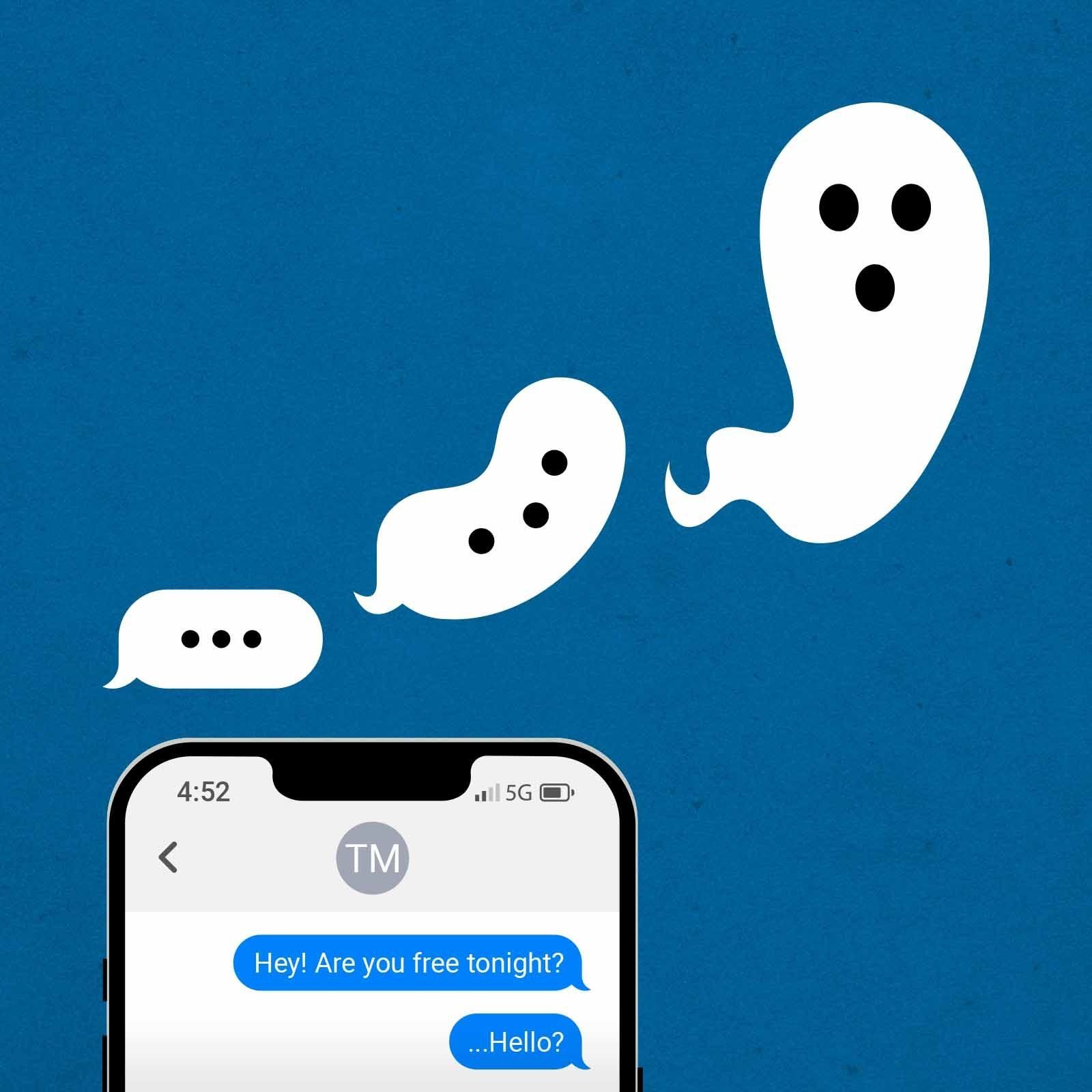
Ghosting, the act of abruptly cutting off all communication without explanation, can occur for various reasons, particularly after a sexual encounter. Here are some factors that may contribute to this behavior:
1. **Emotional Discomfort**: After a sexual encounter, individuals may feel vulnerable or uncertain about their feelings. Ghosting can be a way to avoid facing those emotions or the potential complexity of continuing the relationship.
2. **Fear of Commitment**: Some people may not be ready for a serious relationship and choose to end communication rather than discussing their feelings or intentions.
3. **Lack of Interest**: If one person feels that the connection isn’t strong enough, they may opt to ghost rather than hurt the other’s feelings by communicating their lack of interest.
4. **Social Norms**: In some social circles, casual encounters are common, and there may be an expectation that the relationships are fleeting. This can lead to a culture where ghosting is perceived as acceptable.
5. **Avoidance of Conflict**: Confrontation can be uncomfortable, and some people may find it easier to disappear rather than engage in a potentially difficult conversation.
6. **Digital Communication**: The rise of technology and dating apps has changed how people interact, often leading to less personal communication. This can make it easier for individuals to ghost.
7. **Personal Issues**: Individuals may be dealing with their own issues, such as anxiety or previous trauma, that make it difficult for them to communicate openly.
While ghosting is often seen as hurtful, understanding these motivations doesn’t excuse the behavior. Open communication is generally a healthier approach in any relationship.