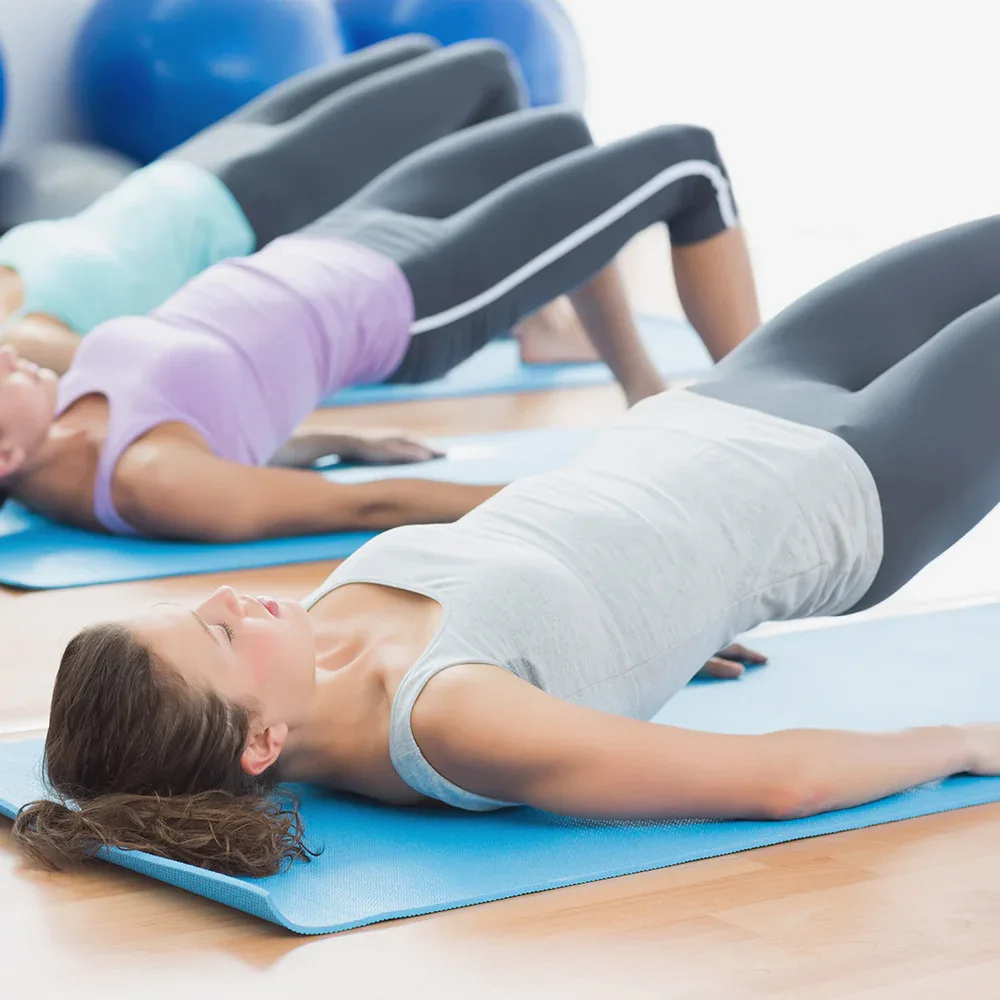
Kegel exercises, named after Dr. Arnold Kegel, who introduced them in the 1940s, are simple yet powerful pelvic floor exercises designed to strengthen the muscles of the pelvic floor. These muscles support various organs, including the bladder, uterus, and rectum, and play a pivotal role in urinary and sexual health. The significance of Kegel exercises extends across different demographics, making them a vital practice for many. Below, we explore the various reasons why Kegel exercises are important for both men and women.
1. Improving Pelvic Floor Strength
The primary benefit of Kegel exercises is the strengthening of the pelvic floor muscles. These muscles support vital bodily functions, and their strength can be compromised due to factors such as childbirth, aging, obesity, and prolonged straining during bowel movements. Strengthening these muscles improves support for pelvic organs, leading to better overall functionality.
2. Enhancing Bladder Control
One of the most notable benefits of Kegel exercises is their ability to help manage urinary incontinence. Women, particularly after childbirth or during menopause, may experience involuntary leaks of urine during activities such as laughing, sneezing, or exercising. By regularly performing Kegel exercises, individuals can enhance their bladder control, significantly reducing episodes of incontinence and improving confidence, especially in social situations.
3. Aid in Recovery Postpartum
After childbirth, women may face weakened pelvic floor muscles, leading to issues such as pelvic organ prolapse and urinary incontinence. Kegel exercises can be a vital part of postpartum recovery, aiding in the restoration of muscle tone and function. By incorporating these exercises into their routine, new mothers can expedite their recovery and regain their strength and control.
4. Sexual Health and Satisfaction
Kegel exercises can also enhance sexual health and satisfaction for both men and women. Strengthening the pelvic floor muscles can lead to increased sensation during intercourse and improved orgasms. For men, Kegel exercises can help manage issues such as erectile dysfunction and premature ejaculation, contributing to a more fulfilling sexual experience. Thus, the benefits of Kegel exercises extend into the bedroom, promoting both confidence and sexual health.
5. Preventing Pelvic Organ Prolapse
Pelvic organ prolapse occurs when pelvic organs descend due to weakened pelvic floor muscles. Regularly practicing Kegel exercises can significantly lower the risk of developing such issues by maintaining strength and support for the pelvic organs. This preventive approach is particularly essential for women, especially those who are pregnant or have experienced childbirth.
6. Supporting Men’s Health
While Kegel exercises are often associated with women, they are equally important for men. Strengthening pelvic muscles can improve bladder control and help tackle issues like urinary incontinence and erectile dysfunction. Additionally, Kegels may contribute to overall prostate health. Men can experience many of the same benefits as women regarding enhanced sexual function and urinary control.
7. Simple and Discreet
Perhaps one of the most attractive traits of Kegel exercises is their practicality. They can be performed virtually anywhere—whether sitting at a desk, waiting in line, or lying in bed—allowing individuals to incorporate them seamlessly into their daily routines. This discretion makes it easy for anyone to practice Kegel exercises without drawing attention to themselves.
In conclusion, Kegel exercises serve as a fundamental practice for strengthening the pelvic floor, offering a myriad of benefits that enhance quality of life for individuals of all ages and genders. From improving bladder control and aiding postpartum recovery to enhancing sexual health and preventing pelvic organ prolapse, the importance of these exercises cannot be overstated. As awareness of pelvic health continues to grow, incorporating Kegel exercises into daily routines will prove crucial for ongoing health and well-being. By emphasizing prevention, recovery, and overall strength, Kegels stand as a simple yet effective tool for improving pelvic health and maintaining a higher quality of life.