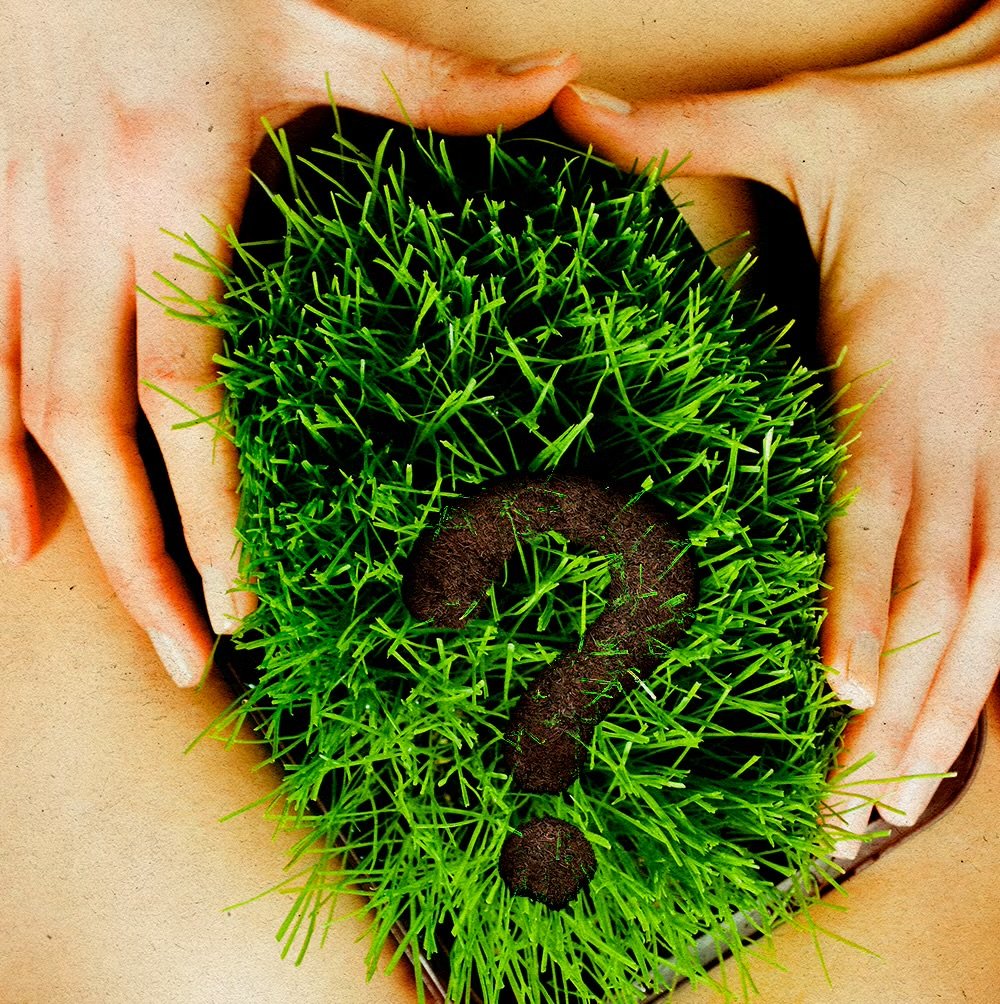
In recent years, there has been a notable shift in beauty standards, particularly concerning body hair. Once considered taboo or unfeminine, pubic hair is making a comeback not as a trend in the superficial sense, but as part of a larger movement toward body autonomy, authenticity, and self-acceptance. This cultural shift reflects changing attitudes toward gender norms, consumerism, and personal agency. So, why are pubes “in” now? The answer lies in a growing rejection of outdated beauty standards and a renewed celebration of natural bodies
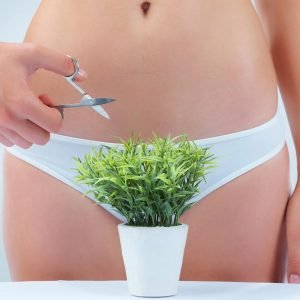
By the early 2000s, full pubic hair removal (like the Brazilian wax) became normalized and even expected in many social circles. For many, the decision to shave or wax was less about personal preference and more about pressure to conform.
The Cultural Shift: From Conformity to Choice
In the last decade, however, a quiet revolution has been growing. Feminist discourse, social media visibility, and body-positivity movements have encouraged people especially women and nonbinary individuals to question why they feel compelled to remove their body hair. Is it hygiene? Is it aesthetic? Or is it social conditioning?
As these questions gained traction, many began reclaiming their right to choose how they present their bodies free from shame or expectation. Allowing pubic hair to grow naturally is no longer seen by many as lazy or unkempt, but as a personal, empowering choice. It signals autonomy over one’s body and a rejection of the male gaze as the default standard for beauty.
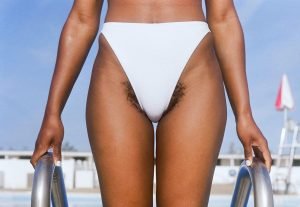
Pubic Hair as a Symbol of Rebellion and Authenticity
Today, embracing pubic hair is often about more than just comfort it’s a political and cultural statement. It can represent:
-
Rebellion against unrealistic beauty standards
-
Rejection of consumerist grooming industries
-
Comfort and bodily integrity
-
Acceptance of natural, unfiltered self-image
In this way, pubic hair has become symbolic of authenticity valuing how you feel over how others think you should look. It’s part of the broader movement toward embracing natural skin, diverse body types, and individual choice.
Influence of Social Media and Pop Culture
Celebrities, influencers, and artists have also played a role in this shift. Public figures like Emma Corrin, Amber Rose, and Ashley Graham have spoken openly or posed unapologetically with body hair, helping normalize its presence in mainstream media. Brands are also catching on—many now feature models with body hair in advertising campaigns, signaling that the taboo is fading.
Meanwhile, on platforms like TikTok and Instagram, conversations about grooming practices, self-love, and personal hygiene are more candid than ever. Younger generations are less inclined to follow outdated rules and more interested in doing what feels right for them.
It’s Not About Hair It’s About Choice
Crucially, the resurgence of pubic hair is not about shaming people who choose to remove it. The core of the conversation is choice. Whether someone prefers to shave, wax, trim, or let it grow untouched, the power lies in deciding for oneself, not following an imposed standard.
The shift toward pubic hair acceptance isn’t just a trend it’s a reflection of a deeper cultural change. People are learning to tune out external pressures and reconnect with their own preferences, comfort, and identity.
The reemergence of pubic hair in mainstream culture signals more than a new aesthetic it represents a meaningful move toward bodily freedom, self-expression, and authenticity. In a society where beauty norms have often dictated how people, especially women, “should” look, the choice to embrace or reject grooming practices is powerful. Pubes are “in” not because fashion says so, but because more people are reclaiming the right to define beauty and comfort on their own terms.